

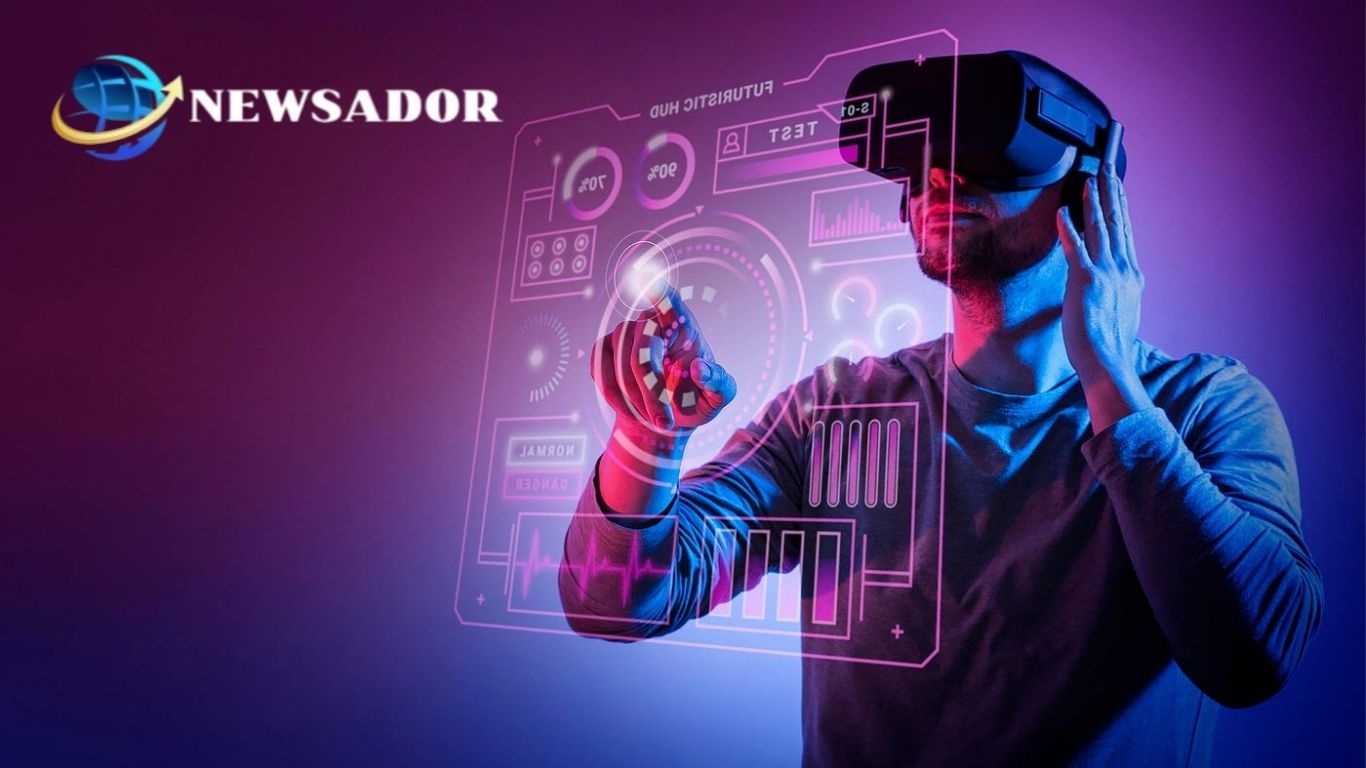
Technology in 2026 is evolving faster than ever before. From artificial intelligence systems that think and act like humans to quantum computing breakthroughs and fully autonomous transportation, the world is experiencing a massive digital transformation. These innovations are not only improving convenience but also reshaping industries such as healthcare, education, business, and communication.
What makes this moment truly unique is the convergence of several major technological breakthroughs happening at the same time. Artificial intelligence is evolving beyond simple automation and moving into more advanced reasoning capabilities. Robotics is becoming more intelligent and capable of working alongside humans in collaborative environments. At the same time, biological systems are being engineered to address critical environmental and medical challenges. Meanwhile, communication networks are rapidly advancing toward a fully connected global ecosystem.
Advanced Artificial Intelligence (AI) and Autonomous Agents
Artificial Intelligence remains the most powerful force driving innovation in 2026. Companies like OpenAI, Google, and Microsoft have developed AI systems that go far beyond simple chatbots.
Key Developments in AI:
- Fully autonomous AI agents that can complete complex tasks
- AI-powered business automation systems
- Human-like virtual assistants for personal and professional use
- Real-time decision-making AI in industries like finance and healthcare
AI is now being integrated into everyday tools, making businesses more efficient and reducing human workload significantly.
Quantum Computing Breakthroughs
Quantum computing has moved from experimental labs into real-world applications in 2026. Companies such as IBM and Google are leading the race to build stable quantum systems.
Why Quantum Computing Matters:
- Solves complex problems millions of times faster than traditional computers
- Revolutionizes drug discovery and material science
- Enhances cybersecurity encryption systems
- Optimizes large-scale logistics and supply chains
Next-Generation Smartphones and Foldable Devices
Smartphones in 2026 are more powerful and intelligent than ever. Companies like Apple and Samsung have introduced foldable and rollable devices with AI-driven interfaces.
Features of Modern Smartphones:
- AI-powered personal assistants integrated into the system
- Flexible and rollable display technology
- Advanced holographic video calling
- Real-time language translation during calls
Electric and Autonomous Vehicles Revolution
The automotive industry is undergoing a complete transformation. Companies like Tesla are leading the shift toward fully electric and self-driving cars.
Major Innovations in Transport:
- Level 5 autonomous driving systems
- Wireless EV charging infrastructure
- AI-based traffic management systems
- Smart cities integrated with autonomous transportation networks
Extended Reality (AR/VR/MR) Becoming Mainstream
Extended Reality (XR) technologies including Augmented Reality (AR), Virtual Reality (VR), and Mixed Reality (MR) are now widely used in education, gaming, and business.
Applications of XR in 2026:
- Virtual classrooms and immersive learning environments
- Remote workspaces with 3D collaboration tools
- Advanced gaming experiences with realistic environments
- Virtual tourism and real estate exploration
Biotechnology and Human Enhancement
One of the most exciting areas of innovation in 2026 is biotechnology. Scientists are combining biology with technology to improve human health and lifespan.
Breakthrough Innovations:
- Gene editing therapies to cure genetic diseases
- AI-assisted medical diagnosis systems
- Lab-grown organs for transplants
- Wearable health monitoring devices with predictive analytics
Green Technology and Sustainable Innovation
Climate change has made sustainability a global priority. In 2026, green technology is at the center of innovation efforts worldwide.
Key Green Tech Trends:
- Carbon capture and storage systems
- Renewable energy grids powered by AI optimization
- Solar panels with higher efficiency rates
- Smart agriculture using IoT sensors
Cybersecurity Powered by AI
As technology grows, cyber threats are also increasing. AI-driven cybersecurity systems are now essential for protecting data and digital infrastructure.
Cybersecurity Innovations:
- AI-based threat detection systems
- Real-time attack prevention tools
- Blockchain-based secure data storage
- Biometric authentication systems
Robotics and Automation in Everyday Life
Robotics has become part of daily life in 2026. From manufacturing to home assistance, robots are performing tasks that were once done by humans.
Robotics Applications:
- Smart home robots for cleaning and cooking
- Industrial robots in manufacturing plants
- Medical robots assisting in surgeries
- Delivery robots in urban areas
Internet of Things (IoT) and Smart Ecosystems
The Internet of Things continues to expand, connecting billions of devices globally. IoT ecosystems are making homes, cities, and industries smarter.
IoT Innovations:
- Smart homes with fully automated systems
- Connected healthcare monitoring devices
- Smart cities with traffic and energy optimization
- Industrial IoT for predictive maintenance
6G Connectivity and Hyper-Fast Internet
Although 5G is still expanding globally, 6G technology is already being tested in 2026. It promises ultra-fast, low-latency communication.
Benefits of 6G:
- Lightning-fast download and upload speeds
- Real-time holographic communication
- Improved AI connectivity
- Enhanced global IoT networks
Frequently Asked Questions
What are the biggest tech innovations in 2026?
The biggest innovations in 2026 include advanced AI systems, quantum computing, electric and autonomous vehicles, extended reality (AR/VR), biotechnology breakthroughs, and 6G connectivity. These technologies are transforming industries and daily life.
How is artificial intelligence changing the world in 2026?
AI in 2026 is powering autonomous agents, smart assistants, business automation, and real-time decision-making systems. It is improving productivity, healthcare, education, and customer experiences across industries.
What is the role of quantum computing in 2026 technology?
Quantum computing is solving highly complex problems much faster than traditional computers. It is being used in drug discovery, cybersecurity, logistics optimization, and scientific research.
How are electric and autonomous vehicles improving transportation?
Electric and self-driving vehicles are reducing pollution, improving road safety, and making transportation more efficient. AI-driven traffic systems are also helping reduce congestion in smart cities.
What is Extended Reality (XR) and how is it used in 2026?
Extended Reality (XR), including AR, VR, and MR, is used in gaming, education, remote work, and virtual tourism. It creates immersive digital experiences for users in both personal and professional environments.
Conclusion
The technological landscape of 2026 is defined by rapid innovation and global transformation. From artificial intelligence and quantum computing to electric vehicles, biotechnology, and 6G connectivity, these advancements are reshaping how we live, work, and interact with the world around us.
These innovations are not just improving efficiency they are solving real-world problems, enhancing human capabilities, and creating a more connected and intelligent global society. Businesses are becoming more automated, healthcare is becoming more personalized, and communication is becoming faster and more immersive than ever before.
